

 皮肤咨询
皮肤咨询The Best Non-Hydroquinone Brightening Cream in Singapore: Gentle Enough for Everyday Use
Uneven skin tone, dark spots, and post-acne marks can make it harder to achieve a clear, balanced complexion. A non-hydroquinone brightening cream offers a gentler approach for those who want daily brightening support without using hydroquinone. Many formulas rely on ingredients such as niacinamide, vitamin C, or arbutin to improve the look of dullness and pigmentation over time. A hydroquinone-free brightening cream may also suit people who prefer a gradual skincare routine that feels comfortable for regular use. This guide explores what to look for in a brightening cream in Singapore and how to choose one that fits your skin type and concerns.
Why You Should Add a Brightening Cream for Dark Spots to Your Routine
Managing pigmentation in Singapore’s sunny, humid climate can feel challenging
Regular UV exposure can make uneven skin tone more noticeable over time. A brightening cream for pigmentation can support a more even-looking complexion by targeting dullness and discolouration as part of a consistent daily routine.
How to Brighten Skin Without Hydroquinone?
You can brighten uneven skin tone without hydroquinone by using gentle ingredients that target dullness, dark spots, and excess melanin over time. A non-hydroquinone brightening cream can support gradual improvement while fitting more comfortably into a daily skincare routine.
• Use proven brightening ingredients: Look for niacinamide, vitamin C, tranexamic acid, azelaic acid, or arbutin.
• Apply sunscreen every morning: Daily sun protection helps prevent existing pigmentation from becoming darker and reduces the risk of new spots forming.
• Choose a formula that suits your skin: The best non-hydroquinone brightening cream for dark spots and pigmentation should match your skin type and feel comfortable enough for consistent use.
• Start slowly: Introduce a new skincare product slowly, especially if your skin is sensitive.
• Stay consistent: Brightening products usually need regular use over several weeks before visible changes appear.
• Avoid over-exfoliating: Over-exfoliating can cause inflammation and make new dark spots more likely to appear.
How to Reduce Melanin Production?
Reducing melanin production largely depends on consistent sun protection and careful skincare habits. Some natural ingredients may also help limit melanin activity, although results can vary and research remains limited.

According to Healthline, here are some tips:
- Use Broad-Spectrum Sunscreen
Sun exposure encourages the skin to produce more melanin. Apply a broad-spectrum, water-resistant sunscreen with SPF 30 or higher every day to help limit this process.
- Reduce Direct Sun Exposure
Sunscreen cannot block every UV ray, so additional protection remains important. Wear sunglasses, a hat, and long sleeves, and avoid prolonged outdoor exposure when sunlight is strongest.
- Consider Turmeric
Turmeric contains curcumin, a compound that may help reduce melanin synthesis by limiting tyrosinase activity. Topical turmeric may irritate some skin types or cause temporary staining.
- Look for Green Tea
Green tea contains a compound called epigallocatechin gallate, commonly known as EGCG, which may help prevent melanin accumulation by inhibiting tyrosinase activity.
Brightening Cream vs Hydroquinone: What's the Difference?
Understanding the differences between brightening creams and hydroquinone can help you choose an option that suits your skin concerns, tolerance, and routine. Both aim to improve the appearance of pigmentation, but they differ in their ingredients, strength, accessibility, and recommended use. Remember that you cannot purchase hydroquinone in Singapore without a valid prescription.
Brightening Cream
A brightening cream in Singapore usually contains cosmetic ingredients such as vitamin C, azelaic acid, arbutin, or niacinamide. A gentle brightening cream may suit regular use and support gradual improvements in dark spots and uneven skin tone.
• Ingredients: A non-hydroquinone dark spot cream uses alternative brightening ingredients instead of hydroquinone.
• Availability: Most cosmetic brightening creams are available without a prescription.
• Results: Improvements are often gradual and depend on the formula, the cause of the pigmentation, and consistent use.
• Daily routine: Many formulas are designed for regular use alongside moisturiser and broad-spectrum sunscreen.
Hydroquinone
Hydroquinone is a potent depigmenting medicine used to treat concerns such as melasma and post-inflammatory hyperpigmentation. In Singapore, hydroquinone is prohibited in over-the-counter cosmetic skincare products and should only be used under medical supervision.
• Strength: Hydroquinone generally offers a more targeted approach to reducing pigmentation.
• Availability: It requires medical guidance in Singapore and is not permitted in regular over-the-counter cosmetic products.
• Usage: A doctor should determine the suitable concentration, application frequency, and treatment period.
• Possible reactions: Incorrect or prolonged use may cause irritation or unwanted changes in skin colour.
Hydroquinone Alternative: Ingredients to Consider
A non-hydroquinone brightening cream may contain ingredients that reduce melanin production, limit pigment transfer, or support skin renewal. The best brightening cream for pigmentation on the face should suit your skin type, target the cause of the discolouration, and feel comfortable enough for consistent use. Here are the alternatives to hydroquinone:
- Retinoids: Retinoids may help reduce pigmentation by increasing skin cell turnover, interrupting melanin transfer, and affecting tyrosinase activity. They are often combined with other brightening ingredients because visible improvements can take several months when retinoids are used alone.
- Azelaic Acid: Azelaic acid may help reduce pigmentation by mimicking tyrosine, interfering with tyrosinase activity, and suppressing abnormal melanocytes. A brightening cream without hydroquinone for melasma may combine azelaic acid with other ingredients, although those with sensitive skin should introduce it gradually.
- Arbutin: Arbutin is known as “natural hydroquinone” because its chemical structure is similar to that of hydroquinone. It may help slow melanin production, although study results vary, and higher concentrations may increase the risk of post-inflammatory pigmentation.
- Niacinamide: Niacinamide, also known as vitamin B3, may improve uneven skin tone by limiting the transfer of pigment to skin cells. Products containing niacinamide for pigmentation commonly use concentrations between 2% and 5%, which may support gradual improvements with regular use.
- Tranexamic Acid: Tranexamic acid may help brighten the skin and reduce the appearance of dark spots by interfering with melanin production. A tranexamic acid cream may also support improvements in melasma, hyperpigmentation, and other forms of skin discolouration.
- Vitamin C: Vitamin C is a potent antioxidant that works by converting dopaquinone back into L-DOPA, reversing the reaction driven by tyrosinase. It is generally less irritating than hydroquinone, although its stability and effectiveness depend on the formulation.
These alternatives offer different ways to target pigmentation and support a more even-looking complexion. Choose a non-hydroquinone dark spot cream with ingredients that suit your skin type and concerns, and introduce it gradually before using it consistently.
Brightening Cream Benefits You Should Know
Brightening creams can support a clearer, more even-looking complexion when used consistently as part of a daily skincare routine. A hydroquinone-free brightening cream may suit those who prefer a gentler approach to managing pigmentation without prescription hydroquinone.
• Helps reduce the appearance of dark spots: A brightening cream for dark spots may gradually soften the look of post-acne marks, sun spots, and uneven patches.
• Supports a more even skin tone: Brightening ingredients can help reduce visible discolouration and improve overall tone.
• Improves the look of dull skin: Regular use may help the complexion appear fresher, clearer, and more radiant.
• Fits into a daily routine: A lightweight brightening cream can absorb more comfortably in humid weather and layer well under sunscreen or makeup.
• Targets pigmentation gradually: Ingredients such as niacinamide, vitamin C, tranexamic acid, or arbutin may support steady improvements over time.
• Complements sun protection: Using a brightening cream alongside daily sunscreen can help prevent existing pigmentation from becoming more noticeable.
Does Non-Hydroquinone Brightening Cream Work?

Yes, a non-hydroquinone brightening cream may help reduce the appearance of dark spots, dullness, and pigmentation with consistent use. These formulas often contain ingredients such as niacinamide, vitamin C, tranexamic acid, or arbutin. Results depend on the ingredients, the cause of the pigmentation, and how consistently you follow your skincare routine.
A brightening cream for uneven skin tone usually delivers gradual improvements rather than immediate results. Daily sunscreen is also important because UV exposure can make existing pigmentation appear darker and encourage new spots to form. Deeper, persistent, or changing pigmentation may require advice from a dermatologist.
Beauty Insider's Recommendation for Best Non-Hydroquinone Brightening Creams in Singapore (2026)
IDS Clarity
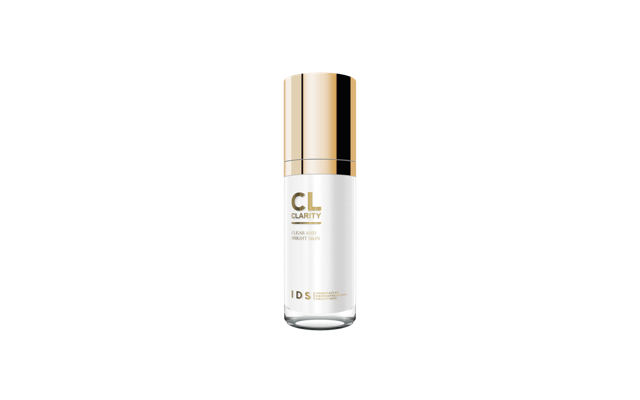
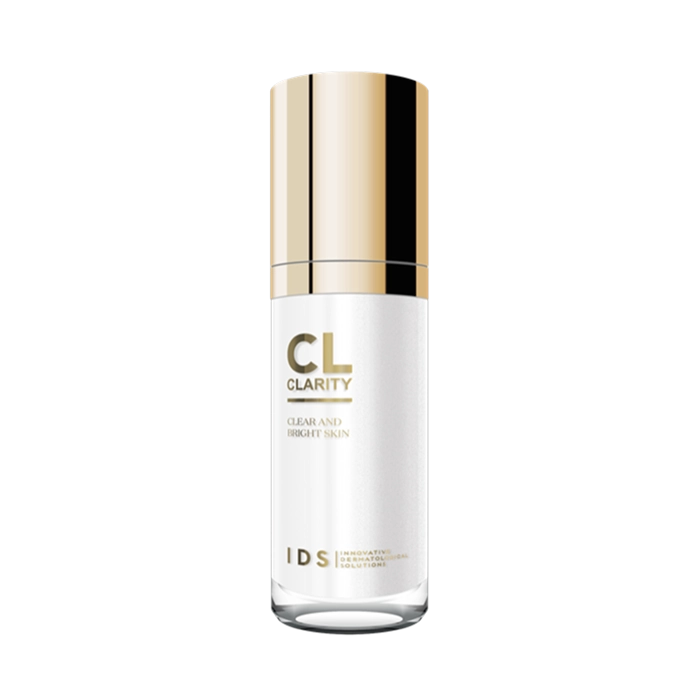
IDS Clarity is a lightweight, non-sticky, non-hydroquinone cream designed to promote a clearer and more even-looking complexion with regular use. Its proprietary blend of ingredients works with the patented transcutaneous delivery system to deliver the formula into the skin, where it can be most beneficial. The gentle brightening formula helps reduce the appearance of pigmentation while supporting skin hydration and protection without irritation. No wonder it received Best Lightweight & Brightening Cream, Editors’ Choice Award, and Special Award: ComeBack Winner (2024) at the Beauty Insider Awards 2026.
Pros
- Uses a non-hydroquinone formula to help reduce the appearance of pigmentation
- Features the patented transcutaneous delivery system to support effective ingredient delivery
- Has a lightweight, non-sticky texture that feels comfortable on the skin
- Helps support a clearer, more even-looking complexion while providing hydration and protection
Cons
- Visible improvements may take time and require consistent use
Read the full story on Beauty Insider.