
Effective Skincare Products | IDS Skincare

PDRN skincare explained: Miracle molecule or marketing gimmick?
25 October 2025

It’s hard to walk down a beauty aisle these days without spotting at least one product stamped with the letters PDRN. 


Short for polydeoxyribonucleotide — DNA fragments extracted initially from salmon sperm — the ingredient first gained traction in the early 1980s in medicine, where it was used to promote wound healing and tissue regeneration.


Today, it’s featured in serums, ampoules, and sheet masks, promising smoother, more radiant skin. But as its popularity swells, so too does the chorus of sceptics.


Not what it seems

As a customer service executive, the hype was impossible to ignore. “I kept seeing it everywhere, from TikTok livestreams to Shopee ads,” she says.


Drawn in by flawless Korean celebrities flaunting glass skin and ageless necklines, she decided to try PDRN in early 2024 to tackle the fine lines creeping up her neck. She started with topical serums from Korean skincare brands, hoping for visible results. "I only noticed more hydration,” she admits. “No irritation, no side effects — but no dramatic results either.”


She eventually stumbled across beauty influencers, who were dissecting the industry’s glossy promises. Their messages were blunt: not all PDRN is created equal. Some brands use PDRN in much lower concentrations and often don’t disclose the exact amount on their labels, making it hard for consumers to know if the ingredient is present at an effective dose. 


Others stretch the definition even further, using the PDRN term on plant-based extracts like ginseng or green tea. These differ significantly from the salmon DNA that made the ingredient famous in Korean injectables.


“I realised I hadn’t been paying attention to concentration or formulation at all, and I began questioning what I was really buying,” she says, adding that she has since moved on to other products.


Meanwhile, I contacted several brands to clarify what goes into their PDRN products, but the silence, so far, has been louder than the marketing.


Same ingredient, different results


Broadly, there are two types of PDRN treatments available today: topical and injectable. Injectables — often used in dermatology clinics under brand names like Rejuran — involve administering PDRN molecules directly into the dermis, where they can kickstart collagen production and repair pathways. 


Topical PDRN, by contrast, is applied to the skin’s surface in the form of serums, creams, or masks. These formulas can be paired with devices like microneedling or electro-poration to improve absorption, but the benefits remain largely superficial — think hydration, soothing, and barrier support.


Much of the published research behind PDRN in dermatology has focused on injectables, rather than topicals, Dr Michelle Wong, a medical practitioner at IDS Clinic, a chain of aesthetic clinics in Singapore, points out.


“Most clinical studies support the use of in-clinic injectables such as Plinest or Rejuran,” she explains. She adds that injectables will consistently deliver more dramatic regenerative effects. “But a well-formulated topical can still play an important supporting role, especially for hydration, calming redness, or post-procedure recovery,” she says.


PDRN
Dr Michelle Wong from IDS Clinic. (Photo: IDS Clinic)


However, some cosmetic brands may choose not to disclose the exact concentration of active ingredients, citing proprietary formulas as the reason. That lack of clarity leaves consumers vulnerable to clever branding. 


“In many over-the-counter PDRN skincare products, the actual concentration is often far lower than what’s used in controlled clinical studies,” Dr Wong says. “Even if PDRN appears on the label, it may not be present in an effective dose.”


Spotting red flags

With so much conflicting information out there, doctors shared how to spot the red flags. The first one, they say, is simple: Beware of products that don’t disclose their concentration.


A serum with 0.1 per cent PDRN contains about 1,000 PPM, while one with 1 per cent PDRN delivers 10,000 PPM — a tenfold jump in potency.


“Without transparency about molecular size, stability, or delivery mechanism, high PPM figures can be misleading. A product can have a high concentration on paper but limited bioavailability, meaning the PDRN doesn’t reach the target tissue in sufficient amounts to make a difference,” says Dr Wong.


Another warning sign? Lack of proper delivery technology that breaks active ingredients into microscopic particles, helping them penetrate deeper into the skin. Consumers need to be cautious of before-and-after photos that appear too good to be true, especially when the lighting or retouching is inconsistent. 


Rewriting the regeneration playbook

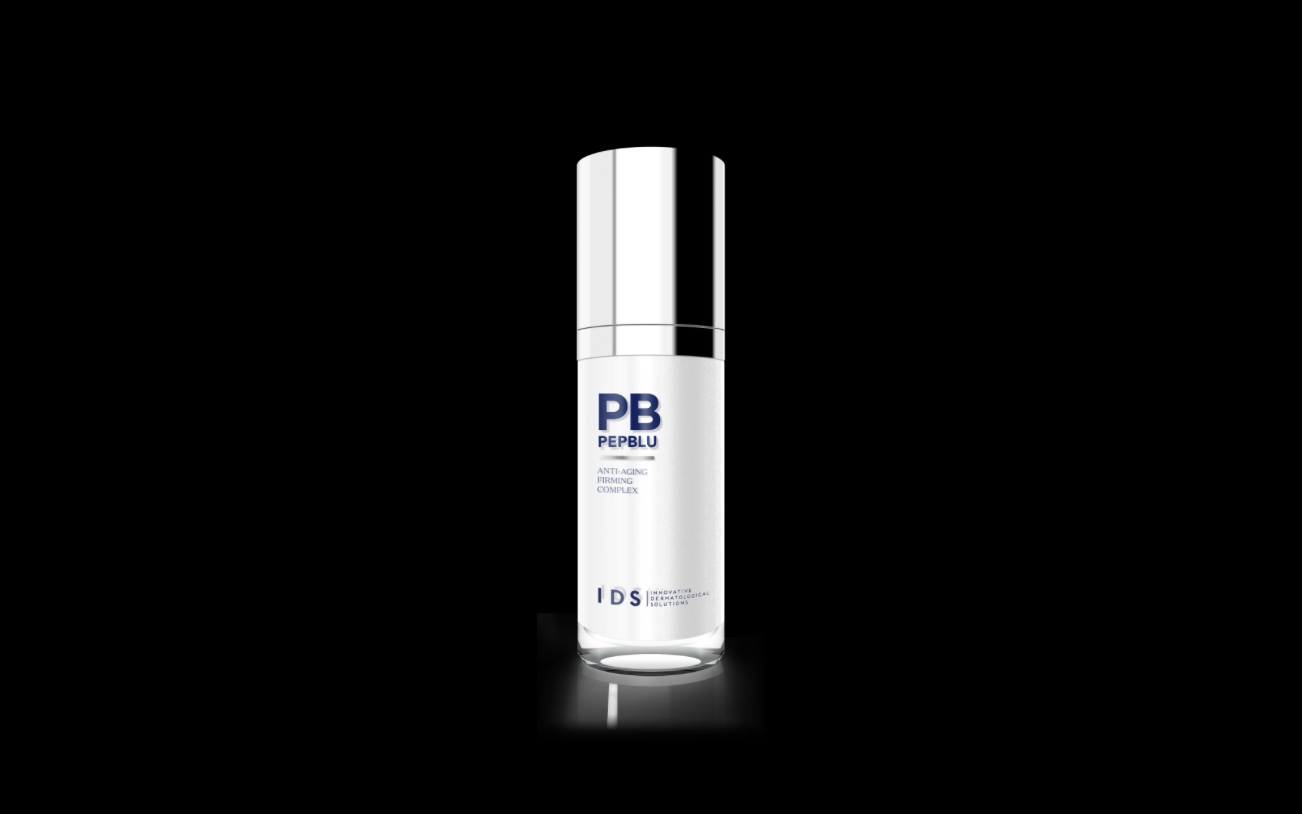
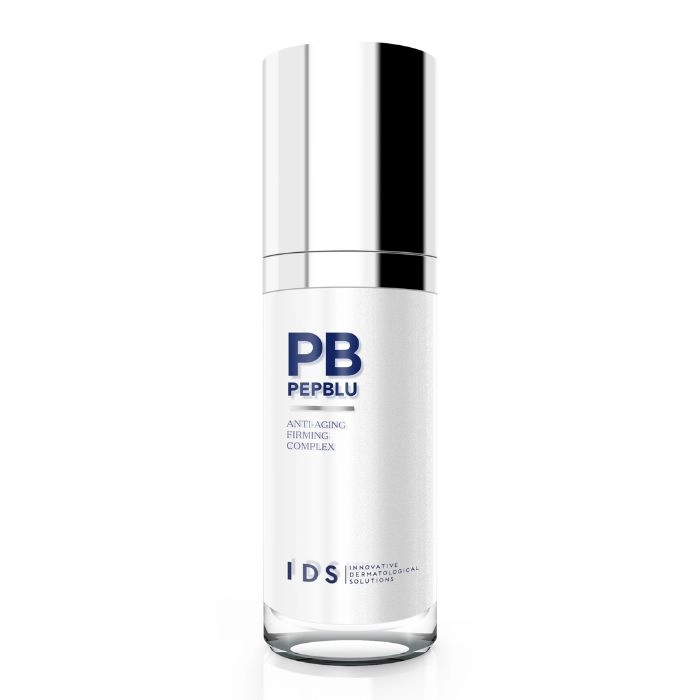
At IDS, PDRN is noticeably absent from its latest launch: the PepBlu Serum ($196.20 inclusive of GST for 30ml), a next-generation booster adapted from the clinic’s popular PepBlu DEEP Facial. Powered by a proprietary blend of synthetic growth factors and peptides, the formula anchors IDS’ new Regenerative Skincare line.


Designed to support renewal, the IDS PepBlu Serum is intended to help boost collagen production. (Photo: IDS Skincare)


Growth factors, which are proteins that signal skin cells to repair and renew themselves, are also emerging as star ingredients in aesthetics. Much like PDRN, they’re being positioned as regenerative powerhouses, with growing interest from both clinics and consumers.


According to Dr Michelle Wong of IDS Clinic, the decision to focus on growth factors instead of PDRN was intentional. 


“Growth factors act directly on specific cellular receptors, producing faster and more predictable regenerative effects,” she explains. While some cosmetic brands blend PDRN with placental or synthetic growth factors to market an “all-in-one” solution, IDS has taken the opposite approach, focusing solely on growth factors to ensure purity, stability, and efficacy.


“PDRN, being a larger nucleic acid fragment, requires a very different delivery optimisation. Combining it with growth factors would complicate formulation and potentially affect stability and bioavailability,” she says.


For patients, it underscores how salmon sperm is far from the only player in the race to rejuvenation. In beauty’s endless relay, there’s always a new miracle molecule waiting to grab the baton… and the only ones running out of breath are our wallets.


Read the full story on The Peak.

Payment Options
You have added this item to cart successfully.
Waiting Success
WhatsApp Us
FOR FASTER RESPONSE
IDS AI Beauty Scan